
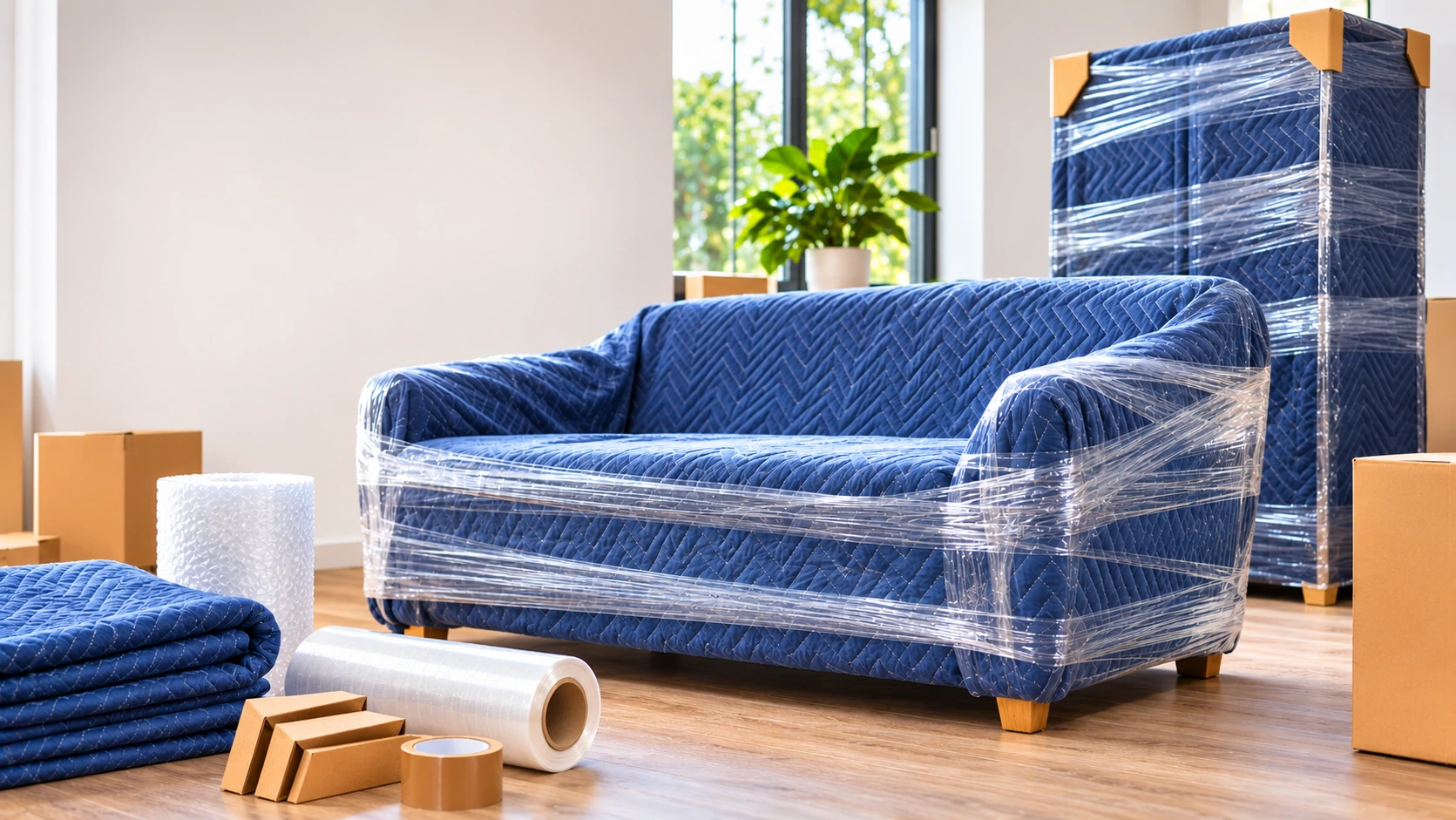
Moving furniture can be one of the most challenging parts of relocating to a new home or office. Large wardrobes, sofas, dining tables, beds and cabinets can easily become scratched, dented or damaged if they are not prepared properly before transportation.
Knowing how to wrap furniture for transport can significantly reduce the risk of damage during loading, carrying, driving and unloading. The right materials and wrapping technique can protect furniture from scratches, impact, dirt and friction while also making large items easier to handle.
Whether you are moving a house, flat or office, this guide explains how to prepare and wrap different types of furniture safely and efficiently.
Why Is It Important to Wrap Furniture for Transport?
Furniture is exposed to several potential risks during a move. An item may come into contact with door frames, staircases, walls, other furniture or the inside of the removal vehicle.
Even when furniture is handled carefully, movement during transportation can cause surfaces to rub against one another. Corners and edges are particularly vulnerable because they can receive direct impact while furniture is being carried or loaded.
Proper furniture protection helps to:
- Prevent scratches and scuffs
- Protect corners and edges
- Reduce the risk of dents
- Protect upholstery from dirt and moisture
- Prevent drawers and doors from opening
- Reduce friction between furniture items
- Protect furniture during loading and unloading
- Make transportation safer and more organised
Professional removals teams generally use a combination of padding, blankets, protective materials and secure loading rather than relying on a single type of wrapping.
What Materials Do You Need to Wrap Furniture?
Before starting, prepare all your furniture protection materials. Having everything ready means you will not have to stop halfway through the process.
1. Moving Blankets
Moving blankets, also called furniture pads, are one of the most useful materials for protecting furniture.
They provide a soft cushioning layer between the furniture and potential impacts. They can be used on wardrobes, tables, sofas, cabinets, beds and many other household items.
Moving blankets are particularly useful for protecting finished wood and painted surfaces from scratches and knocks.
2. Stretch Wrap
Plastic stretch wrap is useful for holding moving blankets in place and preventing drawers, doors or removable parts from moving.
However, stretch wrap should not automatically be placed directly against every furniture surface. For sensitive finishes, particularly wood and leather, it is safer to use suitable padding underneath the plastic layer.
The general approach is:
Furniture → protective padding → stretch wrap
rather than wrapping a finished surface directly in plastic.
3. Bubble Wrap
Bubble wrap is useful for smaller delicate components, corners, glass sections, ornaments and other vulnerable areas.
It is particularly useful when additional cushioning is needed around a fragile component.
4. Cardboard
Cardboard sheets and corner protectors can provide an additional layer around sharp edges and corners.
For example, a cardboard corner protector can help shield the edge of a wooden table or cabinet from impact.
5. Packing Tape
Packing tape is useful for securing cardboard, boxes and protective materials.
However, avoid applying adhesive tape directly to furniture finishes. Tape can leave residue or damage paint, veneer, polished surfaces and other finishes when removed.
6. Furniture or Mattress Covers
Specialist covers can provide additional protection for mattresses and upholstered furniture.
They can help keep fabric surfaces clean during transportation, particularly when furniture is being moved through communal entrances, stairways or outdoor areas.
Step 1: Clean and Inspect the Furniture
Before wrapping anything, clean and inspect each item.
Dust, grit and dirt trapped between a furniture surface and protective material can potentially cause scratches during transportation.
Make sure furniture is completely dry before covering it. Moisture trapped underneath protective materials can create problems, particularly if the furniture remains wrapped for an extended period.
Inspect the furniture for existing scratches, loose parts or damage.
For valuable furniture, taking photographs before wrapping can also provide a useful record of its condition before the move.
Step 2: Empty Drawers, Cabinets and Shelves
Never assume furniture should be transported with everything inside it.
Remove books, clothing, kitchen equipment and other contents from:
- Drawers
- Wardrobes
- Cabinets
- Desks
- Shelving units
- Bed storage
- Cupboards
Removing contents makes furniture lighter and reduces the pressure placed on joints and fittings.
It also prevents items inside drawers or cupboards from moving around and potentially causing damage.
Step 3: Disassemble Furniture Where Appropriate
Large furniture can often be made easier to move by removing detachable parts.
Depending on the item, this may include:
- Table legs
- Bed frames
- Shelves
- Headboards
- Cabinet doors
- Handles
- Modular sofa sections
- Removable panels
Disassembly reduces the size and weight of furniture and can make it easier to navigate narrow doorways, hallways and staircases.
Take photographs before dismantling complicated furniture so you have a reference when putting it back together.
Place screws, bolts and other small fittings into a labelled bag and keep them with the relevant furniture.
Do not force apart furniture that is glued, fragile, antique or not designed to be dismantled.

How to Wrap Furniture for Transport Step by Step
Once your furniture is clean, empty and prepared, you can start wrapping.
Step 4: Cover the Furniture With a Moving Blanket
Place a clean moving blanket over the furniture and make sure the important surfaces are covered.
Pay particular attention to:
- Corners
- Edges
- Legs
- Handles
- Arms
- Tabletops
- Drawer fronts
- Decorative details
The blanket should cover as much of the furniture as possible.
For particularly delicate or valuable furniture, additional padding can be placed around vulnerable areas before the outer blanket is applied.
Step 5: Protect Corners and Edges
Corners are often among the first areas to make contact with door frames, walls and other objects.
Use additional padding, cardboard or suitable corner protection around exposed corners and edges.
This is especially important for:
- Dining tables
- Desks
- Cabinets
- Chest of drawers
- Wooden wardrobes
- Glass furniture
- Office desks
Do not assume that a single blanket will provide enough protection for sharp or exposed corners.
Step 6: Secure the Blanket With Stretch Wrap
After the furniture has been padded, use stretch wrap to hold the protective materials securely in place.
Wrap around the furniture gradually, overlapping each pass so the blanket cannot easily slide away.
The wrap should be secure but should not be tightened excessively around delicate furniture.
Remember that stretch wrap is primarily being used to hold the protective padding in place, rather than replace the padding itself.
Step 7: Secure Doors and Drawers
Furniture doors and drawers can move during carrying and transportation.
If they can be safely removed, consider removing them and wrapping them separately.
If they need to remain attached, make sure they are properly secured using suitable protective wrapping.
Avoid placing tape directly onto finished furniture.
The objective is to prevent doors and drawers from opening unexpectedly without damaging the surface.
How to Wrap Different Types of Furniture
Different furniture materials require slightly different protection.
How to Wrap a Sofa
Start by removing cushions and any detachable components.
Wrap the sofa with suitable furniture blankets, paying particular attention to the arms, back, corners and lower sections.
Use stretch wrap over the protective blankets to hold everything securely.
For fabric sofas, a suitable protective cover can provide an additional barrier against dirt during transportation.
Sofa sections should ideally be separated where the design allows it. This can make them easier to carry through narrow entrances and reduce strain on the frame.
How to Wrap Wooden Furniture
Wooden furniture requires careful surface protection.
Clean and dry the furniture first, then cover it with moving blankets.
Protect corners and decorative edges with additional padding or cardboard where appropriate.
Stretch wrap can then be applied over the protective layer to hold everything together.
Avoid putting adhesive tape directly on polished, painted or finished wood.
How to Wrap a Dining Table
If possible, remove the table legs and wrap them separately.
Wrap the tabletop in a suitable furniture blanket and protect its edges and corners with additional padding or cardboard.
The legs should also be individually protected so they do not scratch the tabletop or other furniture during transportation.
How to Wrap a Wardrobe
Empty the wardrobe completely before moving it.
If shelves are removable, take them out and wrap them separately.
Secure doors so they cannot swing open while the wardrobe is being carried.
Cover the entire wardrobe with moving blankets and secure the protection using stretch wrap.
Large wardrobes may also need to be carefully manoeuvred through staircases, corridors and doorways, so measuring access routes beforehand can be helpful.
How to Wrap Glass Furniture
Glass requires additional care because it can crack or shatter if exposed to impact.
Where practical, removable glass panels should be separated from the main furniture.
Use suitable protective layers around the glass and add rigid cardboard protection where appropriate.
Glass should be securely positioned during transportation so it cannot slide, fall or have heavy objects placed against it.
Don’t Forget to Protect Your Home During the Move
Furniture protection is only one part of a safe move.
Walls, floors, door frames and staircases can also be damaged when large furniture is being carried through a property.
Before moving large items, clear the route and remove obstacles.
Consider protecting floors and vulnerable corners where necessary.
Measure narrow doorways, staircases and lifts before moving particularly large furniture. This can help identify potential problems before the furniture is being carried.
For heavier or awkward furniture, suitable handling equipment and additional help may be required.
The Health and Safety Executive (HSE) recommends reducing risks associated with hazardous manual handling and using suitable handling aids where possible.
If you are not confident lifting a particularly heavy or awkward item, it is safer to use experienced movers rather than attempting the job alone.
How Should Wrapped Furniture Be Loaded Into a Removal Vehicle?
Wrapping furniture correctly is important, but loading is equally important.
A well-wrapped item can still be damaged if it is loaded incorrectly.
Heavy furniture should be positioned securely, with suitable protection between furniture pieces and the vehicle walls where required.
Furniture should be positioned so that it cannot slide or fall during transportation.
Professional movers may use straps and other securing methods to stabilise larger items.
Avoid placing heavy objects on top of delicate furniture or upholstery.
The aim is to create a stable load where furniture remains protected throughout the journey.
This is particularly important for longer-distance moves because furniture may experience repeated movement from braking, acceleration and turning.
Common Furniture Wrapping Mistakes to Avoid
When learning how to wrap furniture for transport, avoid these common mistakes:
Using Stretch Wrap Without Padding
Plastic wrap can hold furniture together but does not provide the same cushioning as a moving blanket.
Putting Tape Directly on Furniture
Adhesive can leave residue or damage certain finishes.
Leaving Corners Exposed
Corners are highly vulnerable during carrying and loading.
Moving Furniture With Heavy Contents Inside
Always empty drawers, cabinets and shelves unless the item is specifically designed and approved for moving with contents.
Failing to Secure the Load
Even perfectly wrapped furniture can move around inside a vehicle if it is not loaded and secured properly.
Dragging Furniture
Dragging can damage furniture legs, floors and other surfaces. Where possible, furniture should be lifted or moved using appropriate handling equipment.
Forgetting to Measure Access
A large wardrobe may fit inside a room but still fail to pass through a staircase, hallway or doorway.
Planning the route before moving large furniture can prevent unnecessary damage and delays.
Should You Wrap Furniture Yourself or Hire Professional Movers?
Wrapping furniture yourself can work for smaller moves if you have the right materials, sufficient time and experience.
However, large house moves and office relocations can involve dozens of furniture items, difficult access and heavy lifting.
A professional removals company can provide the appropriate protective materials and experience needed to prepare furniture for transportation.
At Aman Removals, we help customers move houses, flats and offices across London and surrounding counties. Our approach focuses on careful preparation, appropriate protection and safe handling from collection through to delivery.
Whether you are moving a sofa across London or relocating an entire office, proper furniture protection can help make the process smoother and reduce the risk of avoidable damage.
Final Furniture Wrapping Checklist
Before your furniture goes into the removal vehicle, check:
- Furniture has been emptied
- Surfaces have been cleaned and dried
- Existing damage has been checked
- Detachable parts have been removed where appropriate
- Screws and fittings have been labelled
- Moving blankets cover vulnerable surfaces
- Corners and edges have additional protection
- Stretch wrap is securing the protective layer
- Drawers and doors are secure
- Glass components have additional protection
- Access routes have been checked
- Furniture is positioned securely in the vehicle
- Large items are stabilised before transport
Protect Your Furniture With Aman Removals
Furniture is often among the most valuable and difficult items to move, so taking time to prepare it properly is worthwhile.
The basic process is simple: clean, empty, disassemble where appropriate, pad, protect vulnerable areas, secure the wrapping and load carefully.
If you are planning a house, flat or office move in London or the surrounding counties, Aman Removals can help with the practical side of your relocation.
From bulky furniture to everyday household belongings, careful preparation and professional handling can make moving day significantly easier.
Need help with your move? Contact Aman Removals today for a removals quotation.